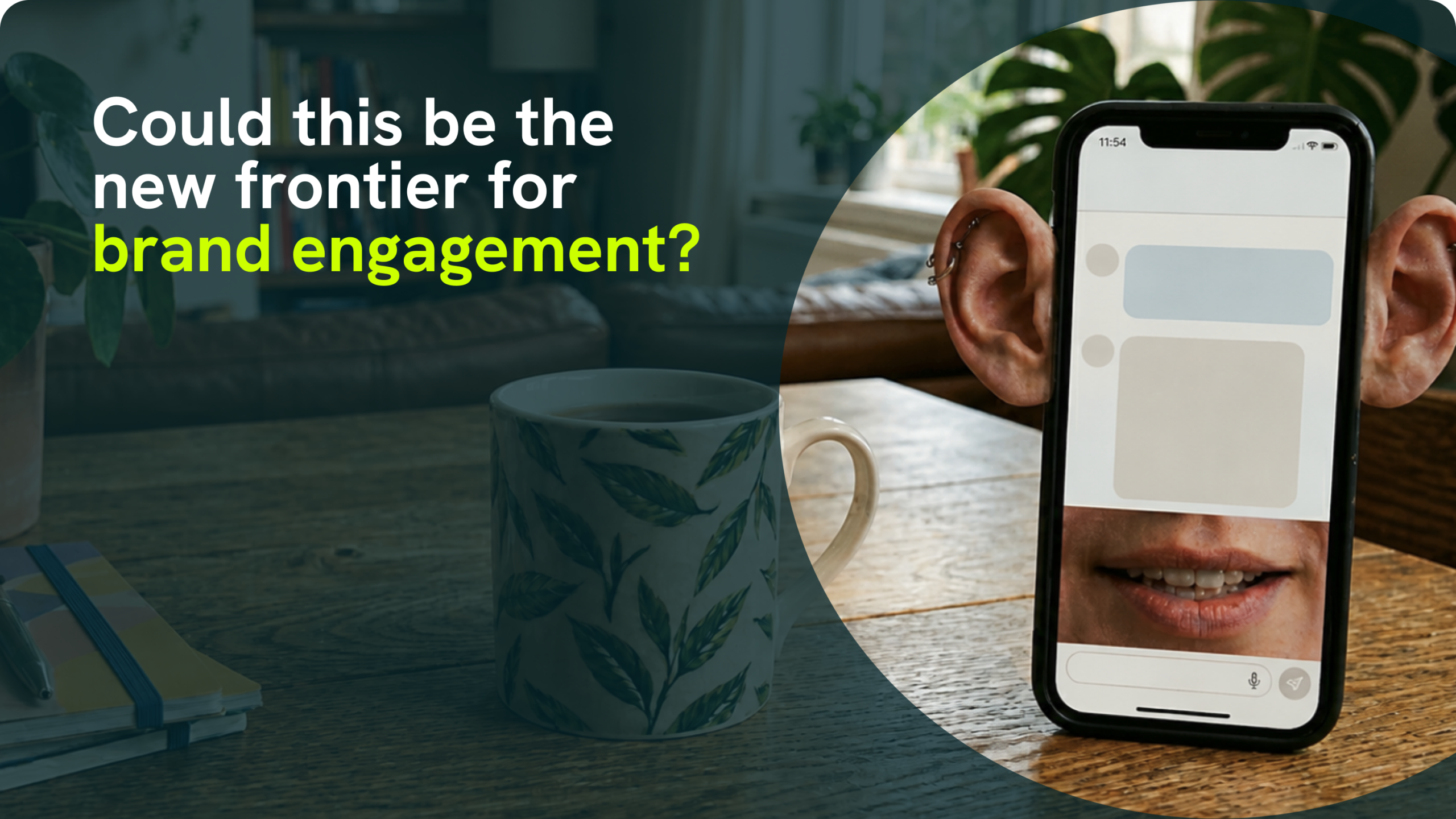
“Understanding intent might be the new frontier for brand engagement”.
I offered this take in a BehindLogin webinar last week, where Ollie Lane (CEO, BehindLogin), Ben Leonard (CEO, Life Moments) & I shared reflections on what makes a winning chatbot.
For years, chatbots have come and gone in waves. Many of us will remember when every campaign suddenly “needed one”. Yes, the tech has moved on. And so has the role it plays, with many fast becoming the primary interface for search, resolution and task completion.
Now firmly in the age of AI, we all have assistants in our hands and customers are freely voicing their needs. We just need to listen!
For many customers, this may be the first (and only) way they engage with your business. Take banks for instance – as the high street presence continues to shrink, these experiences now carry the full weight of the brand.
In our recent chatbot benchmark, we didn’t score providers on tone or personality. Whether a bot offers something close to natural conversation is brand-specific and this can be subjective. And we don’t like subjective!
What really matters is usefulness
Can the assistant understand intent?
Can it respond in a way that genuinely helps?
Can it guide the customer to a positive outcome?
Because when it gets this wrong, when intent is misunderstood or irrelevant answers are served, the patience is lost. The belief is lost. The trust is lost.
And in financial services, trust is everything.
What stands out in our benchmark findings is the imbalance across banking providers:
– Some excel at conversation but can’t complete tasks
– Others surface data quickly but struggle to interpret what the user actually needs
– A few manage both
– And some do neither
Two ears, one mouth
The strongest performers – Revolut, bunq and Monzo – share a common strength: they listen well.
✅ They validate user requests using context and data
✅ They clarify rather than assume
✅ They adapt responses when users need things explained differently
✅ They recognise urgency and respond with reassurance
✅ Rather than treating queries in isolation, they are careful to build understanding
If there’s one takeaway for teams building or refining conversational experiences, I’d encourage anyone to go back to the basics of communication.
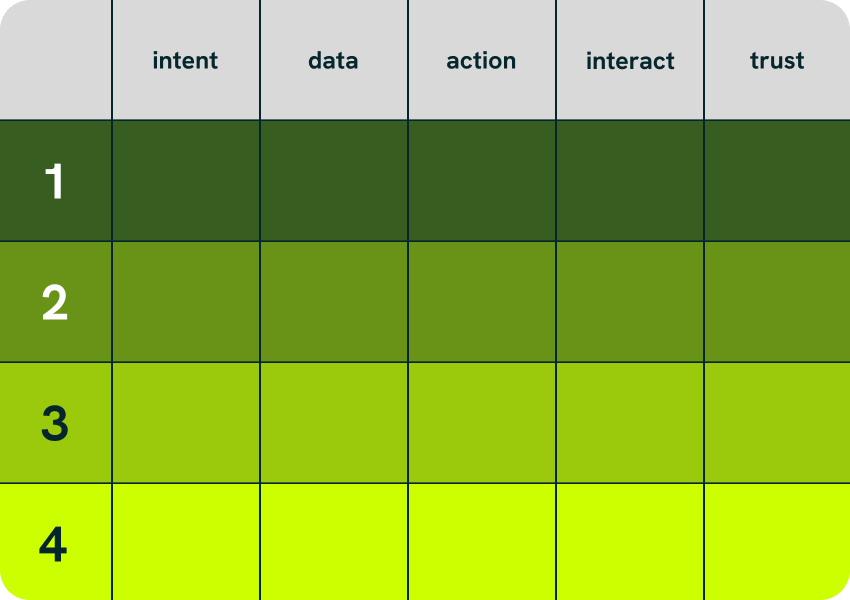
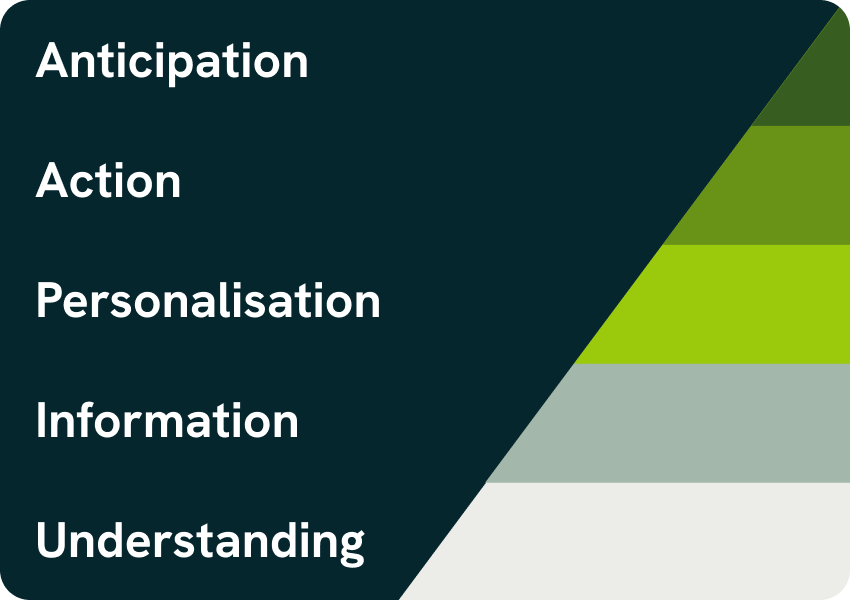
This is brought to life in our Maturity Assessment Framework (included within our PRO version of the Chatbot Experience Benchmark). Understanding is the foundation when responding to customer needs.
The “two ears, one mouth” principle. Listen well & speak with consideration. This applies just as much to AI as it does to humans.
Webinar recording: the foundations of a winning chatbot experience
If you missed it, you can catch up on the full recording here, where we explore the foundations of a winning chatbot experience – covering intent, data, trust, and more.
(As an aside, apologies for the creepy image. Credit to AI for fully running with my intent to stick some ears on a phone. Although an example of where some healthy challenge might have been welcomed by all!)