For small businesses, tax is easy to get wrong, hard to stay on top of and there are real consequences.
From April 2026, it’s all change.
Making Tax Digital for Income Tax Self-Assessment (MTD ITSA) will fundamentally change how millions of sole traders and landlords manage tax. Annual Self-Assessment returns will be replaced with mandatory digital record-keeping and quarterly submissions through HMRC-recognised software.
For product teams, this isn’t a compliance nudge. It’s a win or lose moment.
Some providers have already taken the lead.

Explaining MTD
From April 2026, sole traders and landlords earning over £50,000 will be required by HMRC to:
- Keep digital records of income and expenses
- Submit summaries to HMRC four times a year
- File a final year-end declaration digitally
Paper forms, spreadsheets, and HMRC’s basic online portal will no longer be sufficient. Everything must flow through compatible “bridging software”.
This affects around 1.3 million taxpayers initially.
Lower thresholds follow quickly. £30,000 in 2027. Potentially £20,000 in 2028.
That brings millions more into scope.
Why this matters to small business owners
For many small business owners, tax equals stress, uncertainty, and risk.
Quarterly reporting turns tax from an annual chore into a constant background activity. Missed submissions can lead to penalties. Poor records can compound quickly. Paying £100–£500 a year for accounting software feels disproportionate for freelancers and early-stage founders.
Small businesses will be looking for:
- Confidence they’re compliant
- Minimal admin
- Clear visibility of what they owe
- No extra tools unless absolutely necessary
This is where product experience is everything.
Who’s moving first
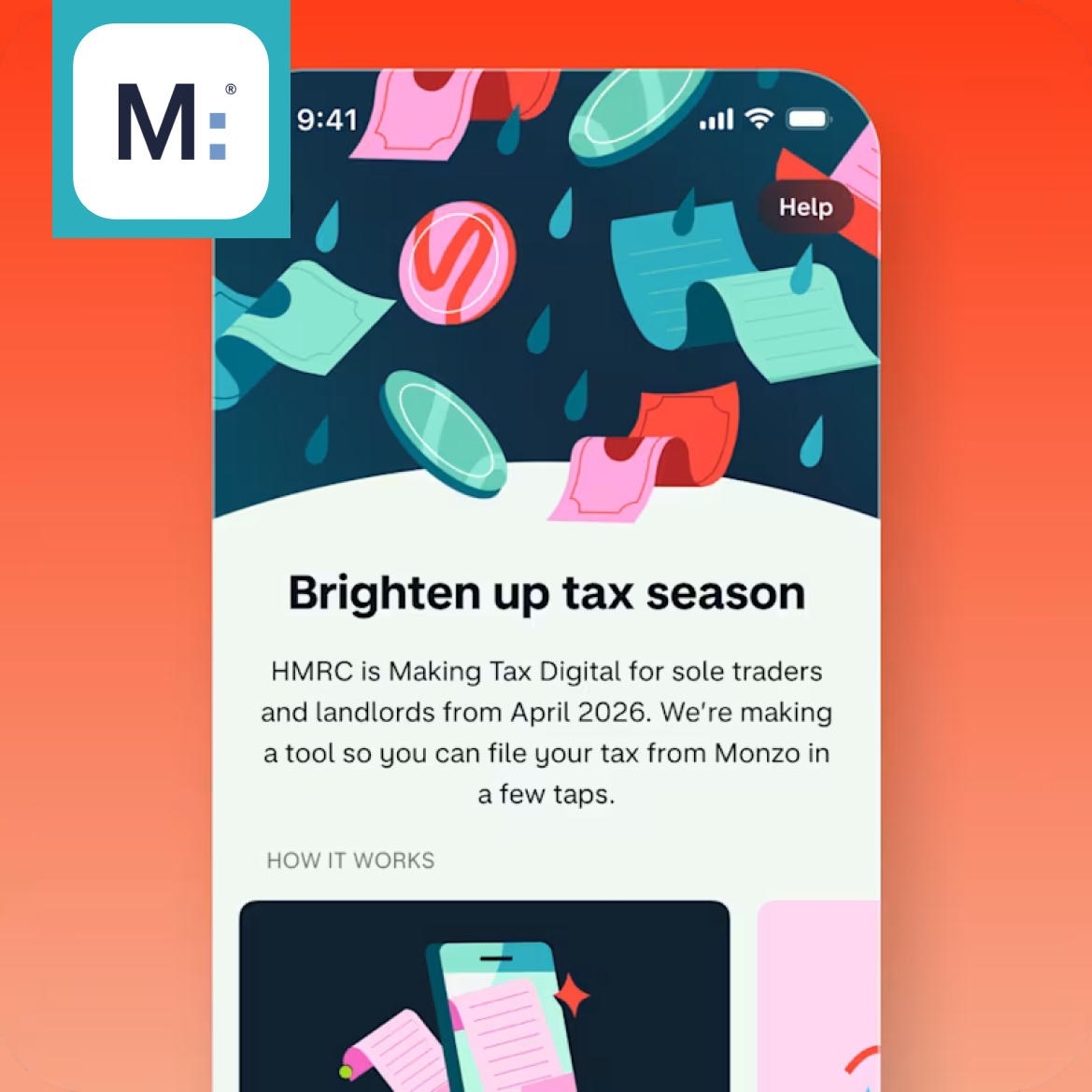
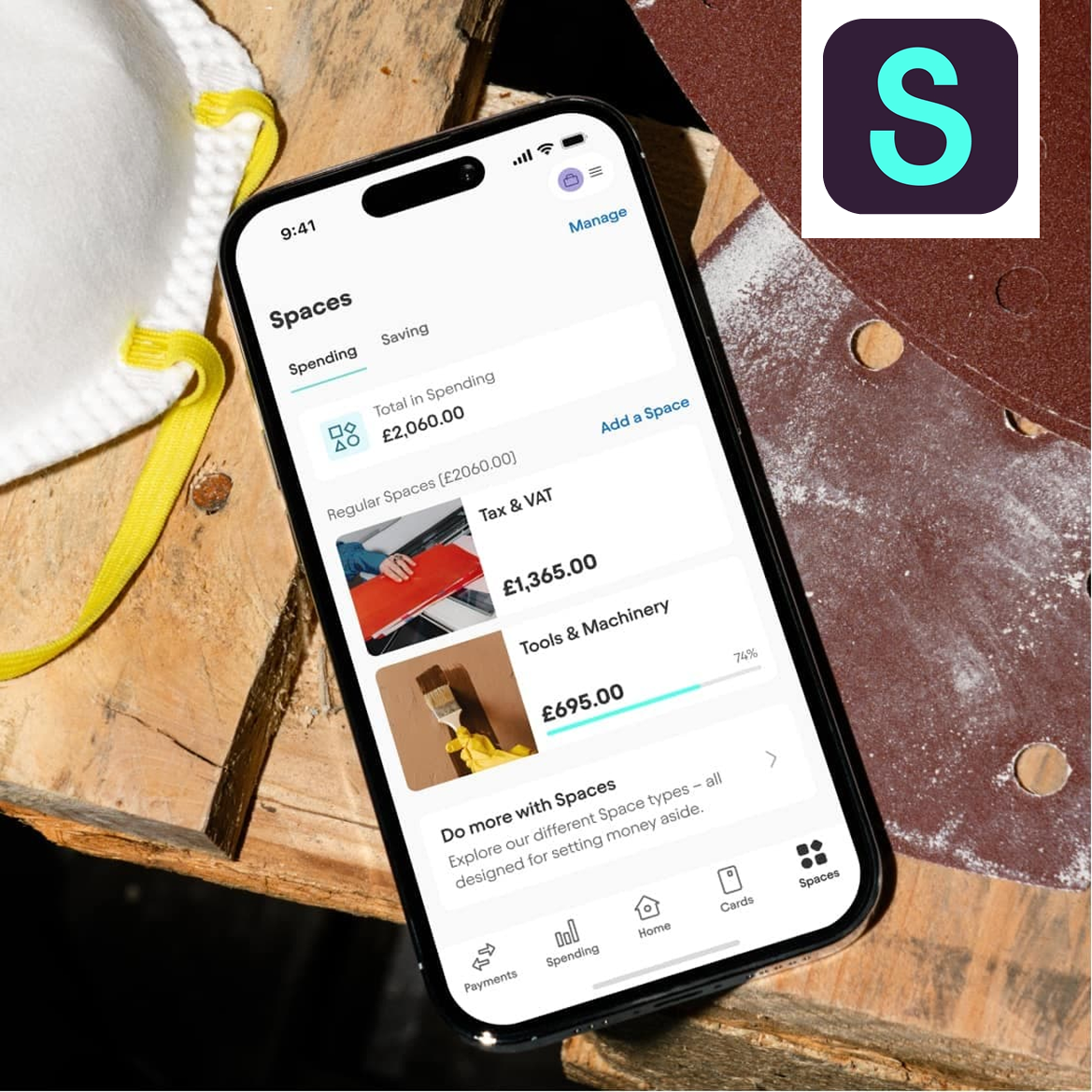
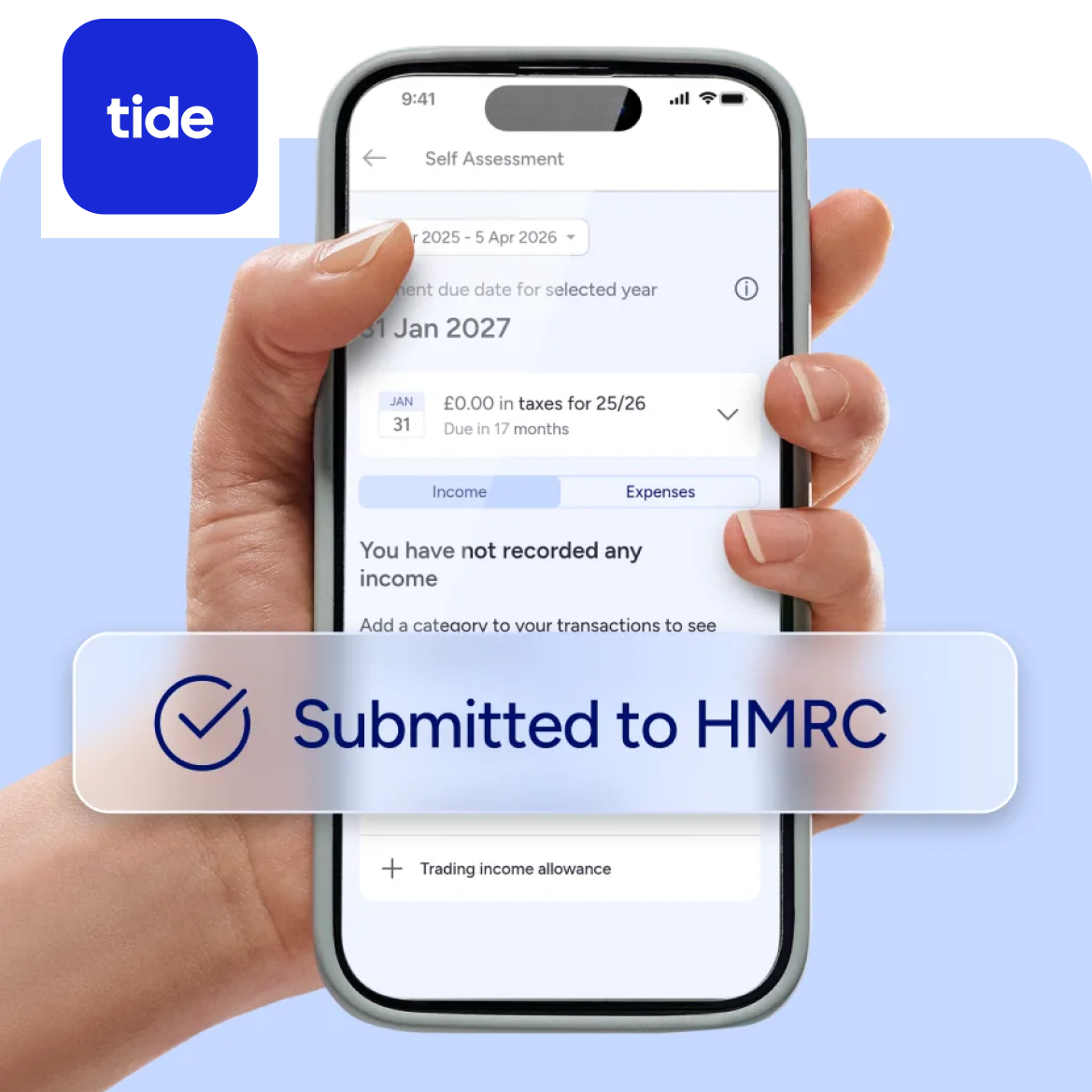
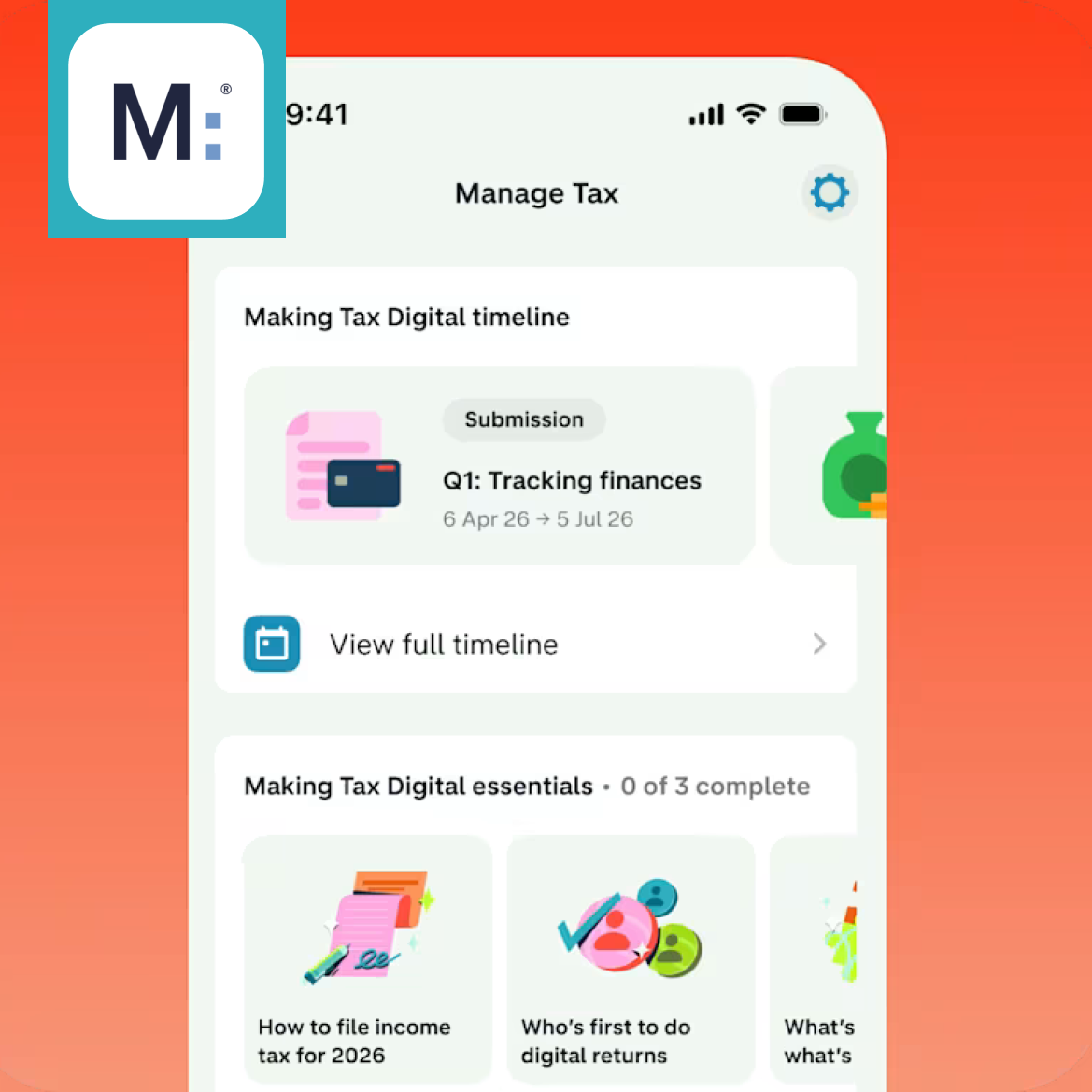
Fintechs have spotted the opportunity early. Starling, Monzo & Tide have all announced HMRC recognised MTD tools.
These tools are native, low-cost (often free), and designed around solo operators who don’t have accountants or complex structures.
All solutions will help to turn compliance into a background behaviour. Receipts captured. Tax pots separated. Submissions nudged at the right moment.
All make MTD part of daily money management, rather than a standalone task.
With all three due for launch this month, we look forward to taking a closer look behind the login once all are released!
Where the big banks stand
Traditional banks are responding in a different way.
- Barclays and Lloyds support MTD primarily through integrations with partners like Sage, Xero, or FreeAgent. VAT is well covered, but fully native ITSA tooling is still limited.
- HSBC offers something more comparable, with My Business Finances, a Sage-powered embedded accounting tool supporting invoicing, tax estimation, quarterly updates, and HMRC filing.
These approaches work well for established SMEs with accountants and existing software. They may be less compelling for sole traders looking for simplicity and speed.
Extra tools mean extra friction. And of course friction loses custom.
Why early product releases matter
MTD affects around 1.3 million taxpayers initially. That group will be making decisions now.
Early releases create three advantages:
- Habit formation
Quarterly reporting encourages routine. Once tax lives inside a banking app, switching away becomes harder. - Perceived leadership
Being “MTD-ready” signals competence, modernity, and care for small businesses at a stressful moment. - Switching momentum
When compliance becomes unavoidable, providers that make it feel easiest become an obvious choice.
By Q2 2026, we can expect increased switching among sole traders who want one app that “just handles it”.
What product teams should be watching
MTD is turning tax into a product problem, not a policy one.
Over the next 12 months, we expect to see:
- Native MTD ITSA tooling as a competitive baseline
- In-app nudges replacing email reminders and accountant prompts
- Tax pots, projections and submission status surfaced more prominently
- Experience gaps widening between fintechs and incumbents for micro-businesses
The bigger picture
For small business owners, MTD isn’t just about digital transformation. It’s also about trust.
- Who helps me stay compliant without effort?
- Who respects my time?
- Who reduces anxiety rather than adds to it?
Fintechs recognise that addressing these questions early creates a durable advantage.
Whilst MTD may be mandated by HMRC, the leaders will be found through product experience!
Building trust through transformation
We’re here to help you plan the sort of experiences that build long term trust and advocacy.
BehindLogin combines competitor intelligence with UX guidance to deliver market advantage. Arrange a call to learn how we can help you with our Custom Research.
- Global insight behind the login
- Competitor journeys created with real users
- Proprietary experience benchmarking framework
For more content like this, please sign up for regular emails below.