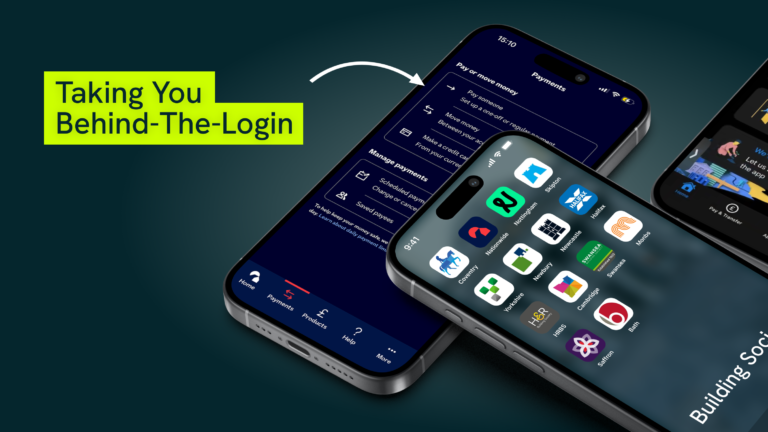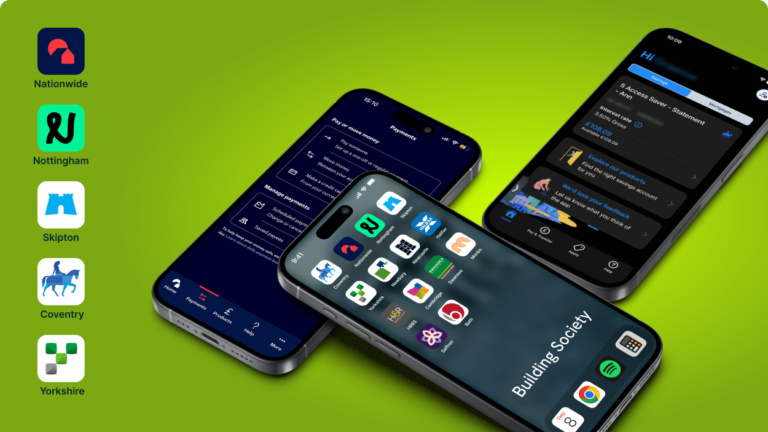
Over time, we’ve seen a consistent pattern in how product teams use BehindLogin insights.
The initial benchmark helps teams understand where they stand. But the real value often comes next, when those insights are translated into design decisions, prototypes, and ultimately product change.
This article shares how that process typically unfolds, and how benchmarking can provide a practical foundation for shaping prototypes with confidence.
From benchmark to build
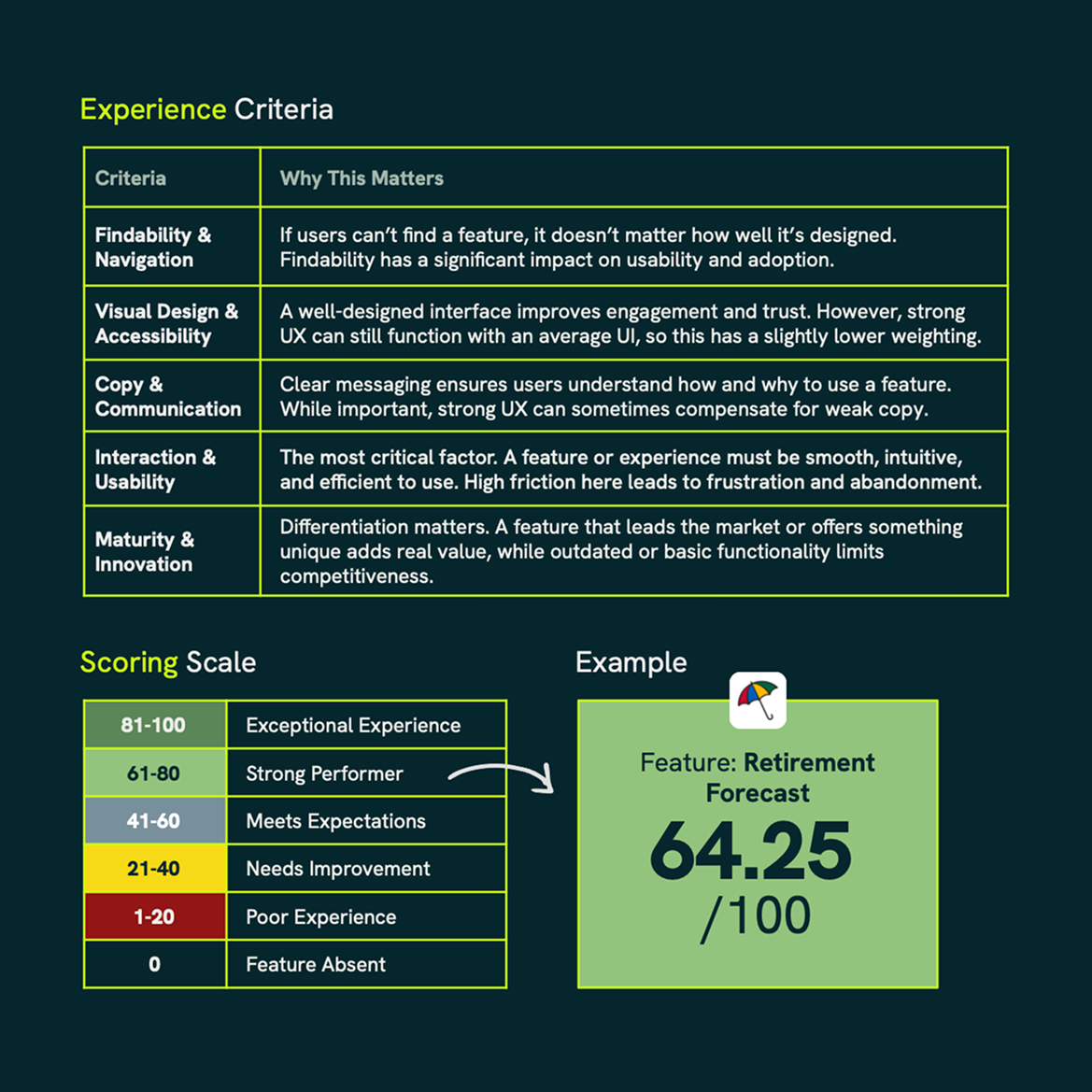
BehindLogin’s framework is designed to assess real, logged-in experiences. It highlights where competitors are performing well, where they fall short, and where opportunities exist.
For many teams, this offers a starting point for design.
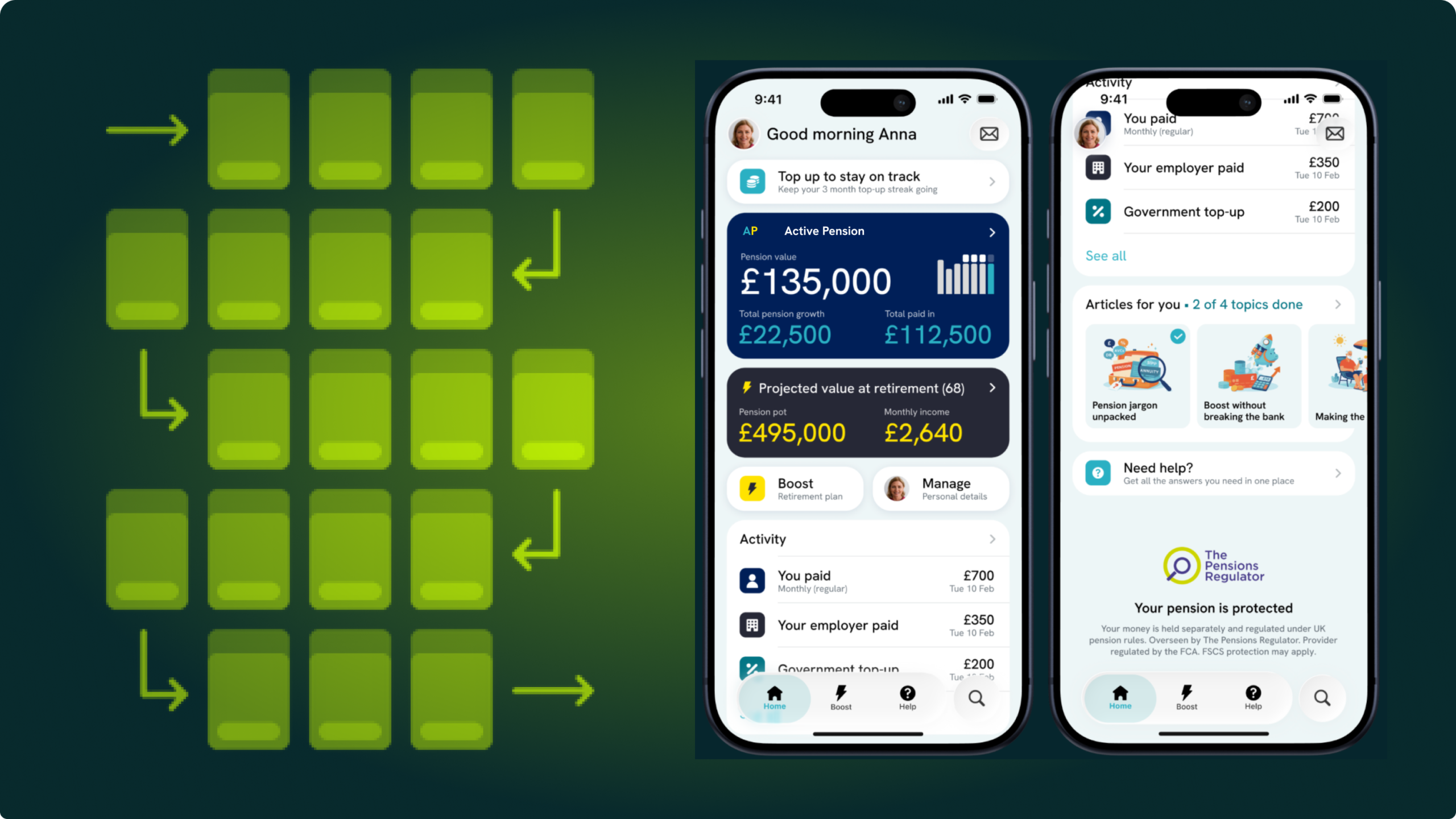
Recently, we created an illustrative prototype using this same approach. The aim was not to produce a finished product, but to show how benchmark insights can be applied in a way that feels practical and impactful.
The prototype was shaped using:
- The BehindLogin Master Trust Pension Benchmark as the evidence base
- The client’s existing brand, app and website
- Established design standards such as Apple’s Human Interface Guidelines
- Selected reference points from both within and outside the sector
This combination helped ensure that the concept remained realistic, aligned to user expectations, and grounded in what already works.

Identifying the right focus
One of the most valuable outcomes of a benchmark is clarity on where to focus.
With a pensions provider in mind we applied our Master Trust Pension Benchmark insights and two opportunities stood out:
- Help me understand my position
- Help me improve my outcome
These became the central pillars for the prototype. Rather than trying to address everything at once, the design focused on answering a small number of important questions well.
For example:
- How much do I have right now?
- What has changed recently, and why?
- What could I do next to improve my position?
This shift from breadth to focus is often where teams see the greatest impact. It allows effort to be directed towards areas that are both meaningful for customers and differentiated in the market.
Designing for clarity and action
With clear pillars in place, the design process becomes more intentional.
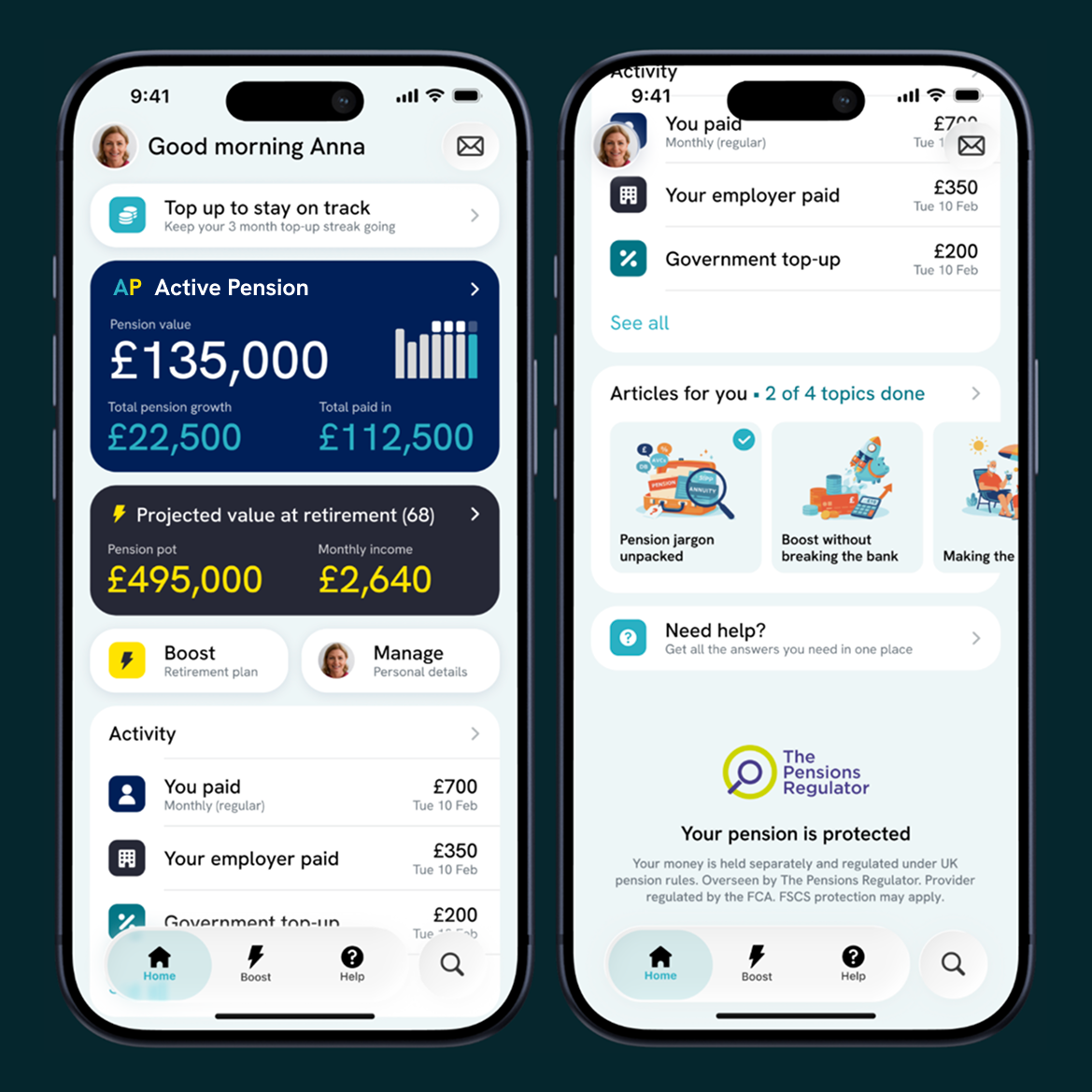
The prototype focused on two outcomes: helping users understand their situation quickly, and enabling them to take useful action.
Clarity was supported through:
- A strong hierarchy of information
- Context-aware data presentation
- Reducing the effort required to find key answers
Action was supported in two ways.
First, through app-led recommendations. These provide users with clear, personalised next steps that can be taken immediately.
Second, through user-led exploration. This allows users to adjust inputs and see the potential impact before committing, helping them make more informed decisions.
A simple guiding principle underpinned these choices: if something did not support understanding or improve outcomes, it was removed.
Bringing insight into the design process
For product teams, this approach offers a practical way to turn insight into implementation.
Benchmark reports don’t just highlight what competitors are doing. They provide a level of confidence around what is worth prioritising, based on observable experience and user interaction.
This can support teams in several ways:
- Identifying features or capabilities that don’t yet exist within their own product
- Strengthening conversations around digital investment and prioritisation
- Aligning stakeholders around a shared view of what good looks like
The prototype becomes a useful tool in this context. It makes the insight tangible, showing how recommendations might translate into a real experience.
Focusing on the fundamentals
One consistent theme we see within our benchmarking work is that many products still struggle with the basics.
- Navigation can be unclear
- Key information can be hard to interpret
- Core tasks can require unnecessary effort
In many cases the greatest gains come from improving these fundamentals. A prototype shaped by benchmarking tends to reflect this. It focuses on usability, clarity and task completion.
This helps ensure that innovation is built on a solid foundation, rather than layered on top of unresolved issues.
It can be tempting to prioritise new features or emerging technologies and in some cases, a prototype will be used to help visualise a future state. In this context, a benchmark that explores best-in-class examples & inspiration from other sectors can be more helpful.
Supporting teams under pressure
Product teams are often working within tight timelines, balancing stakeholder expectations with the need to deliver meaningful change.
In one recent conversation, a consulting team described the need to rapidly create a prototype. They were feeling the pressure of balancing speed with an expectation that it would face scrutiny from senior stakeholders.
In situations like this, having an evidence base can make a significant difference.
Benchmark insights provide a reference point for how a proposed solution compares within the market. This helps reduce uncertainty and gives teams greater confidence in the direction they are taking.
It also shifts the conversation. Rather than focusing solely on preference or opinion, discussions can be anchored in how the experience can deliver competitive advantage.
Working alongside existing priorities
Of course, benchmarking is only one input into the design process.
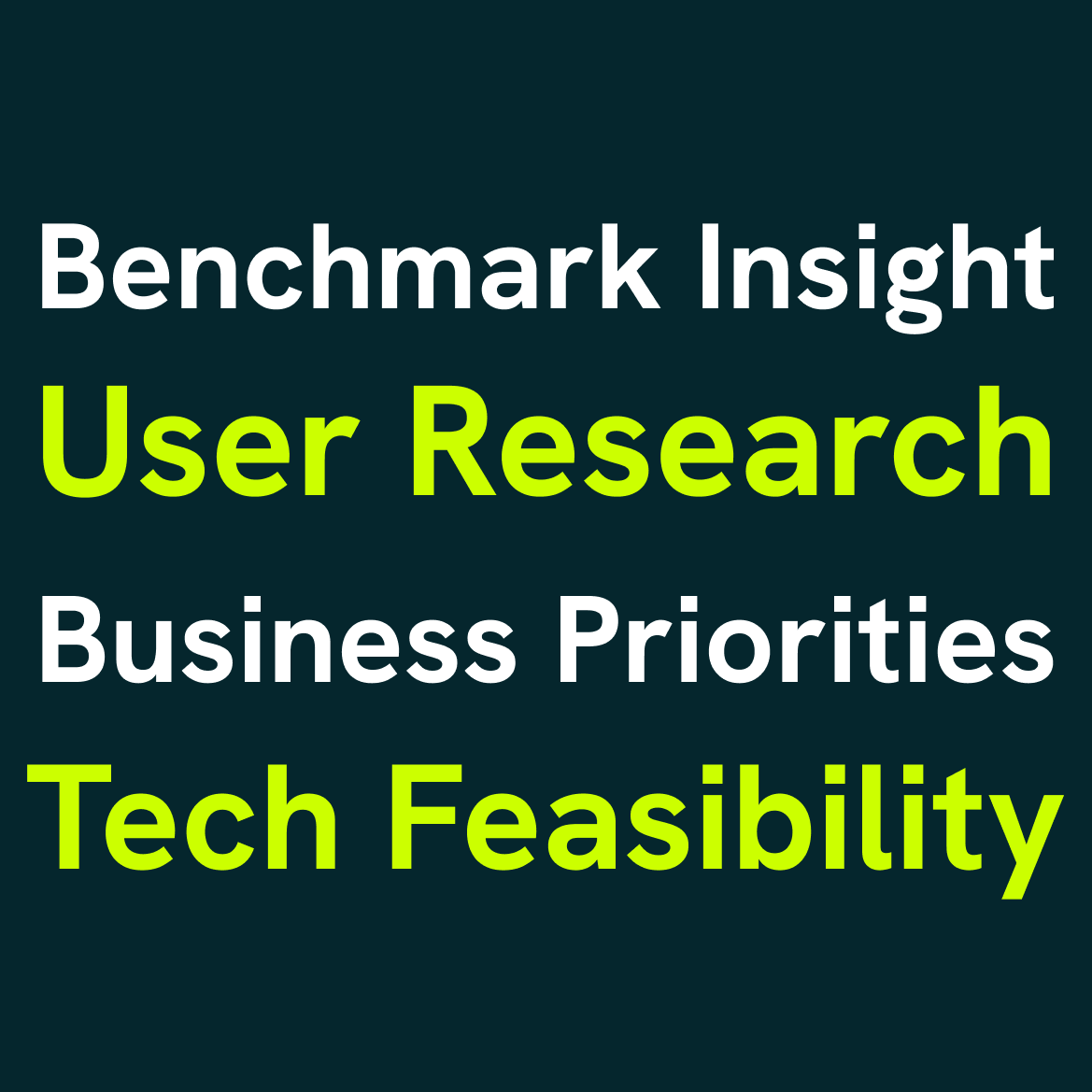
Each organisation has its own objectives, constraints and market context. The most effective outcomes tend to come when benchmark insights are considered alongside user research, business priorities and technical feasibility.
This is not about replicating competitor features. It is about understanding what works, why it works, and how it might be applied in a way that fits your own product.
From insight to advantage
When used in this way, benchmarking becomes more than a diagnostic tool.
It helps teams move quickly from understanding the landscape to shaping their own position within it.
Prototypes play an important role in that transition. They bring ideas to life, support internal alignment, and provide a clearer view of how a proposed experience might perform.
Most importantly, they do so with a level of confidence that comes from evidence, rather than assumption.
And in competitive markets, that confidence can make the difference between incremental change and meaningful advantage.
How does your mobile experience compare?
BehindLogin combines competitor intelligence with UX guidance to deliver market advantage. Arrange a call to learn how we can help you with our Custom Research.
For more content like this, please sign up for regular emails below.