It turns out people aren’t especially engaged with their pensions admin
I’ve been working through the stats & as a nation, our confidence has dropped, we’re under-informed and disengaged.
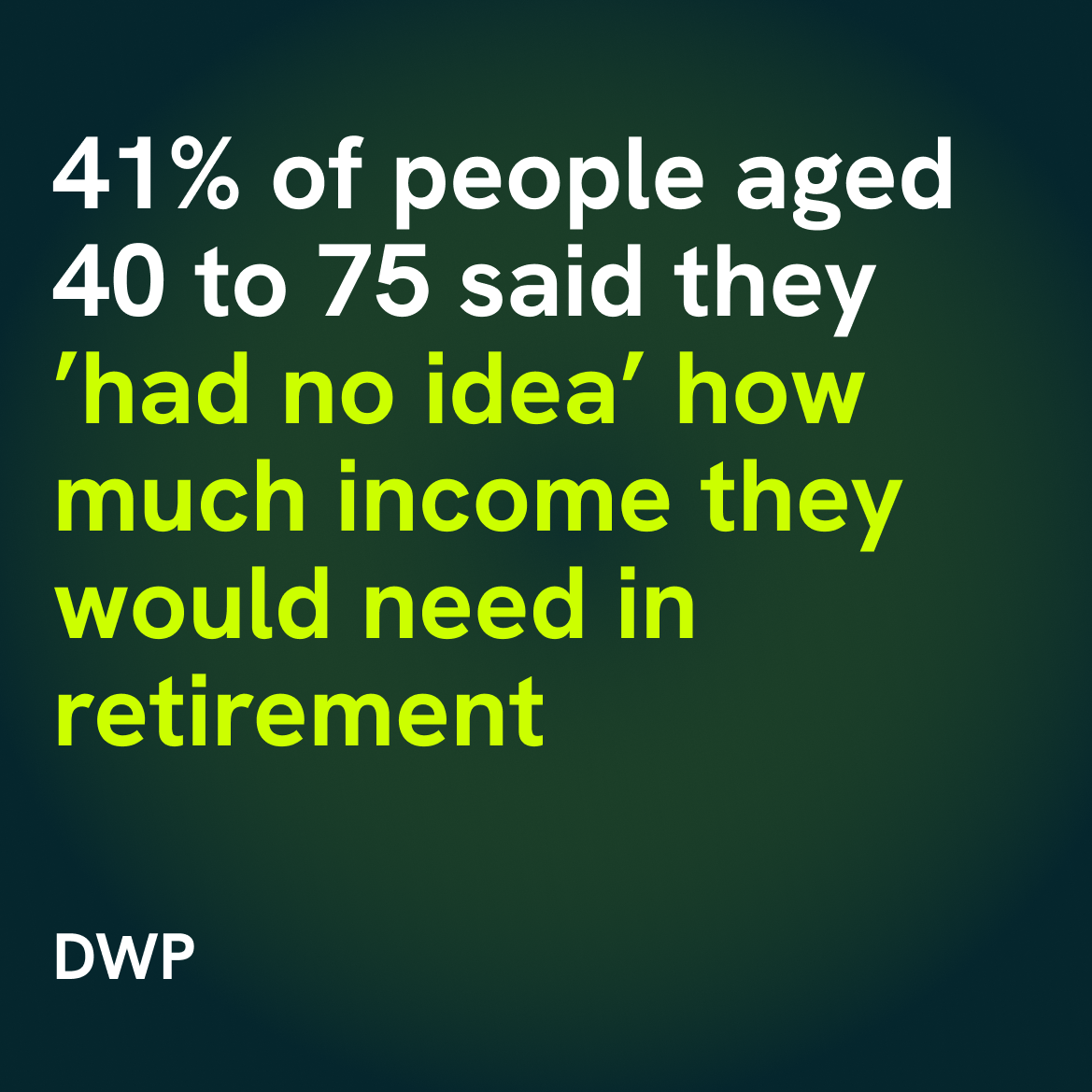
Research from the Department of Work and Pensions shows how things have moved in the last few years. People aged 40 to 75 are now less confident that they would be able to achieve the lifestyle they wanted in retirement (a comparison of 2024 to 2020/2021). And a staggering 41% of people aged 40 to 75 said they ’had no idea’ how much income they would need in retirement.
I spoke with David Henderson to get a better feel for the market. David is a Director at BehindLogin and heads up pensions at Penny, a Bristol-based fintech app designed to help users locate lost retirement savings and consolidate their old workplace pension pots. To date, Penny have helped to find their users more than £700m in lost pensions.
The government’s auto-enrolment initiative was fully rolled out by 2018 and this has been brilliant in ensuring that workplace pensions are the default for all employees. But David explained that “people sleepwalk in and out when auto-enrolled”. It’s easier than ever to save the minimum, but pension management has become a little too passive. And with the average person changing jobs every 2.5 years, it’s normal to have several inactive pension pots.

Passive, inactive & under-informed
This all sounds a little dangerous. The responsibility and also the impact of saving for a pension still sits firmly with the employee. Sure, they’ll receive the basic comms from their provider, but it’s down to them to motivate themselves, commit to doing the research and prioritise their financial management in a way that will help their future selves.
We know the economy is having quite a moment. And so is the confidence and behaviour that comes with this.
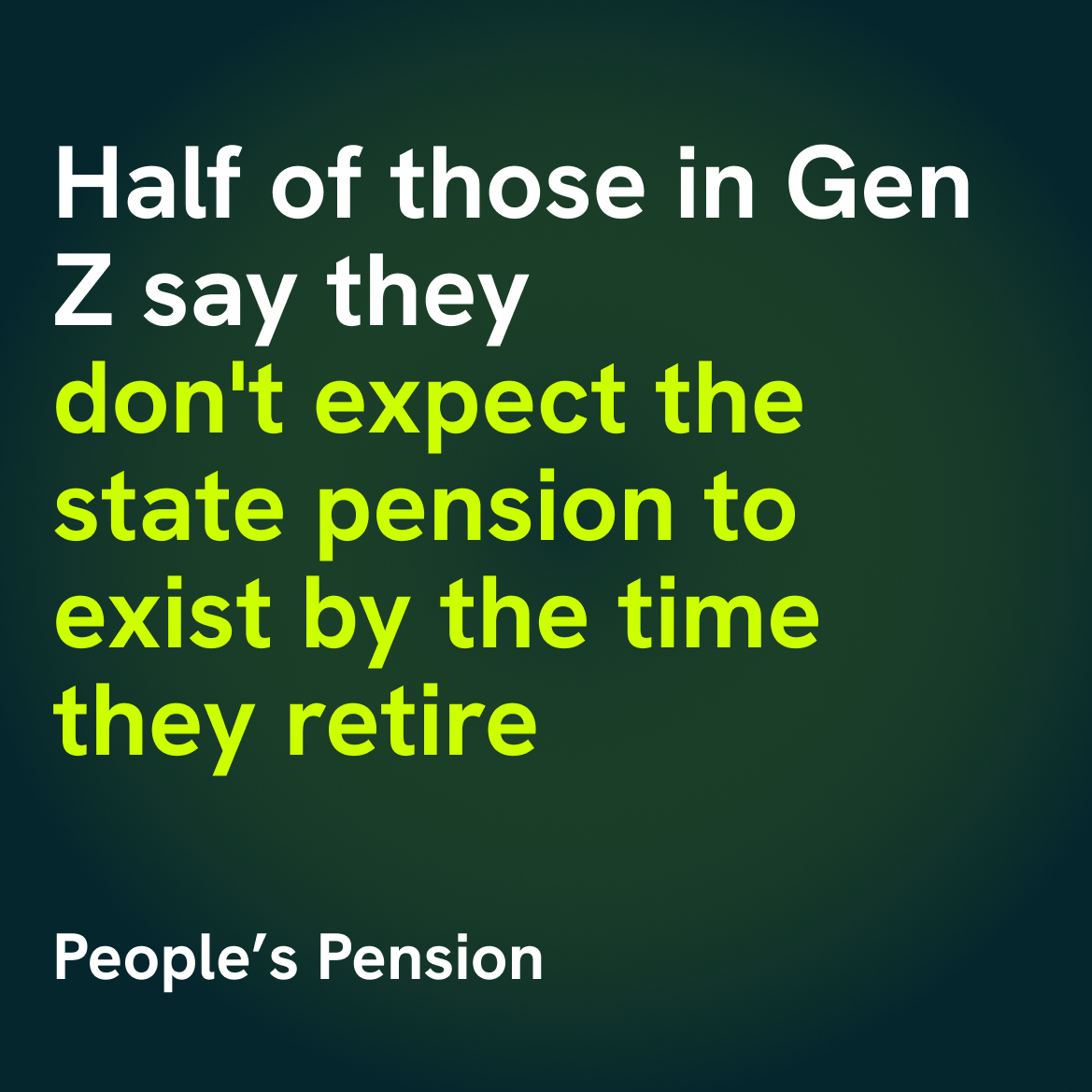
According to research by People’s Pension, half of Gen Z (those born from 1997–2012) say they don’t expect the state pension to exist by the time they retire.
Does this make young people more inclined to save more themselves?
Or less inclined to believe retirement will ever be a reality?
This is a generation that clearly needs support yet David explained to me that small contributions can be a loss leader for a pension provider. This is the exact reason why self service digital engagement is key for education, giving clarity and putting people in control. A win for people and also the provider.
If providers build healthy habits and deliver small wins from an early age, this builds trust and positions the provider as the go-to choice for merging in other future pensions.
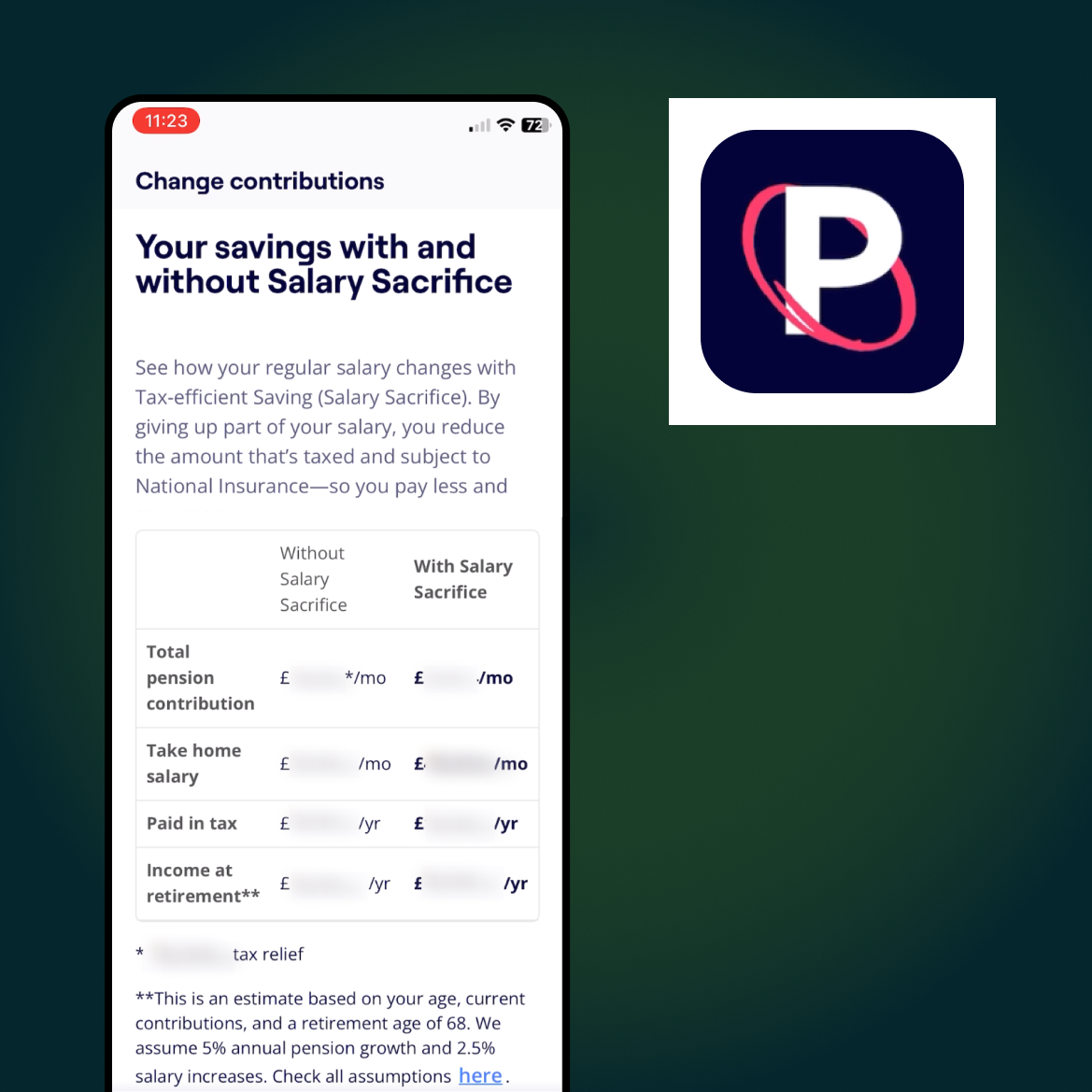
Even those disengaged with the economy or on low earnings may be glad to learn a little more. For example, with salary sacrifice, some people (not everyone) will actually take home more monthly pay AND increase their pension contributions. But not everyone knows this.
It’s all about more inflows and less outflows
Essentially for a provider, if you’ve got someone’s pot, the goal is to keep hold of it and encourage the individual to contribute more or transfer others in. Beyond fund performance and fees, this happens with brand messaging that reflects an individuals’ aspirations, but also speaks the truth. When the digital experience builds confidence, alongside tools that make those inflows and other actions easy. Making it less of a chore. More of a personal win.
Let’s recognise that it’s a little overwhelming for many, with dull “pensions admin” experiences distracting from the potential to gain some real agency and ownership.
So where are current pensions apps struggling?
I recently shared my own pensions onboarding experience with Penfold, including some key actions that should benefit me in the future. My own journey shines a light on a few critical dead-ends – you can download this for yourself here.
When we launch our Workplace Pensions Benchmark this Autumn we’ll be taking a close look at how other providers have performed with these and other tasks. From my own experience, the tools and the motivation are there, but wow, it’s still complicated.