Foldable phones aren’t new
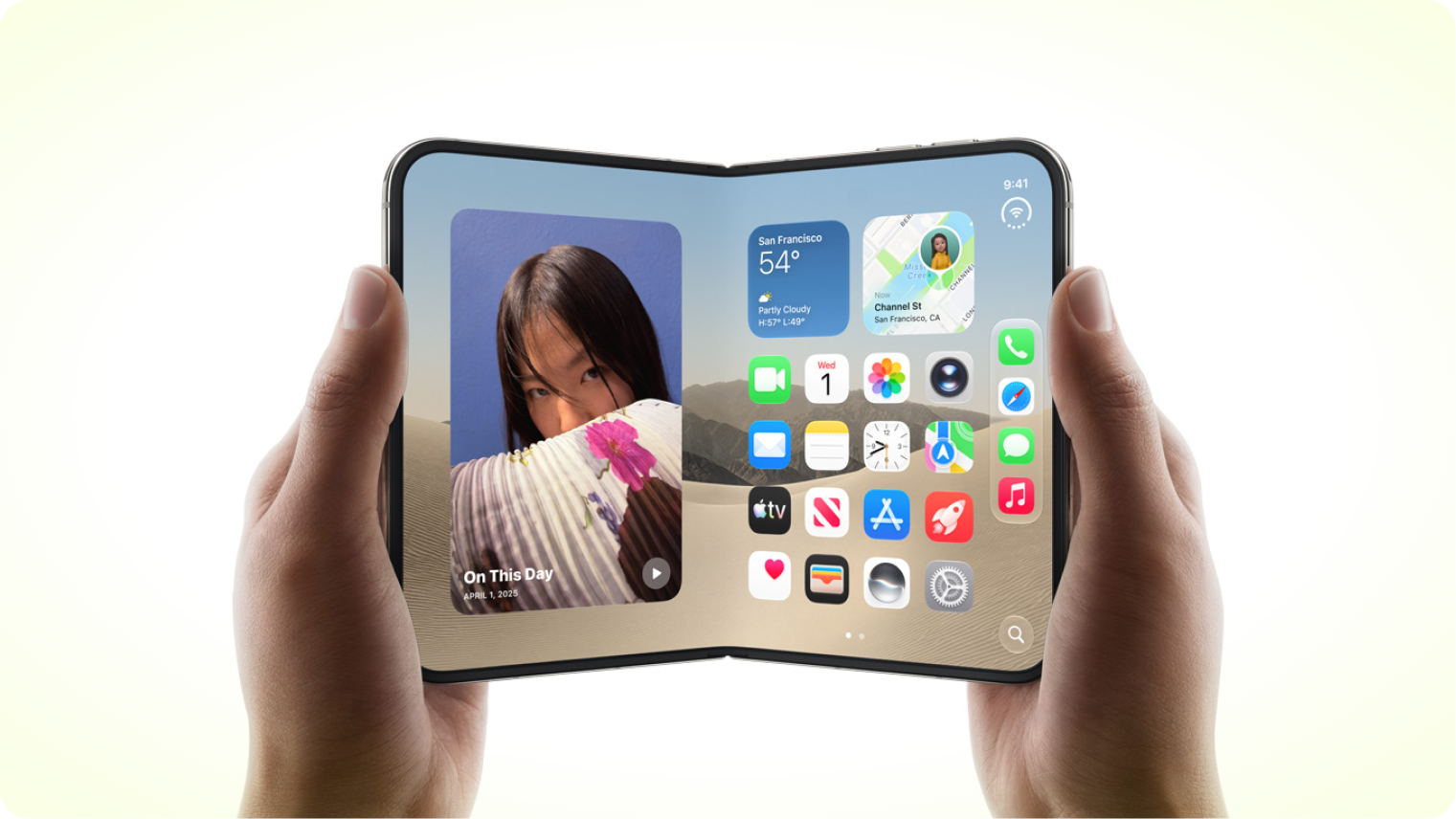
Foldable phones aren’t new but Apple could make foldable UX much harder for app teams to ignore. The iPhone Duo opens to a 7.6-inch display, giving users around 50% more screen space than an iPhone 18 Pro Max.
It enters a market that is still relatively niche. Foldables account for less than 3% of global smartphone shipments, although Samsung says European sales of its latest Fold models are already 50% ahead of the previous generation.
Samsung launched its first Galaxy Fold back in 2019, so developers have had years to think about what adapting for a foldable actually means.

There are three levels of adaptation
1. Works on a foldable
It opens, resizes and remains usable
2. Optimised for a foldable
The layout adapts, making better use of the additional space
3. Designed for a foldable
The experience changes meaningfully as the device opens, enabling interactions that weren’t possible on the smaller screen

Optimising for the majority
When I worked at an app agency, we’d generally encourage clients to optimise for the 80% of devices their customers actually used.
Responsive sizing covered most mobile variation. Tablets made better use of additional real estate. iOS and Android conventions made each experience feel at home. When a hardware variation became mainstream, that was when it became worth designing specifically for it.
We know that Apple‘s iPhone Duo is new and expensive. But could this be the device that tips foldables towards that point?
What this means for the experience
Within the BehindLogin team, we’ve been discussing what that could mean for the experience.
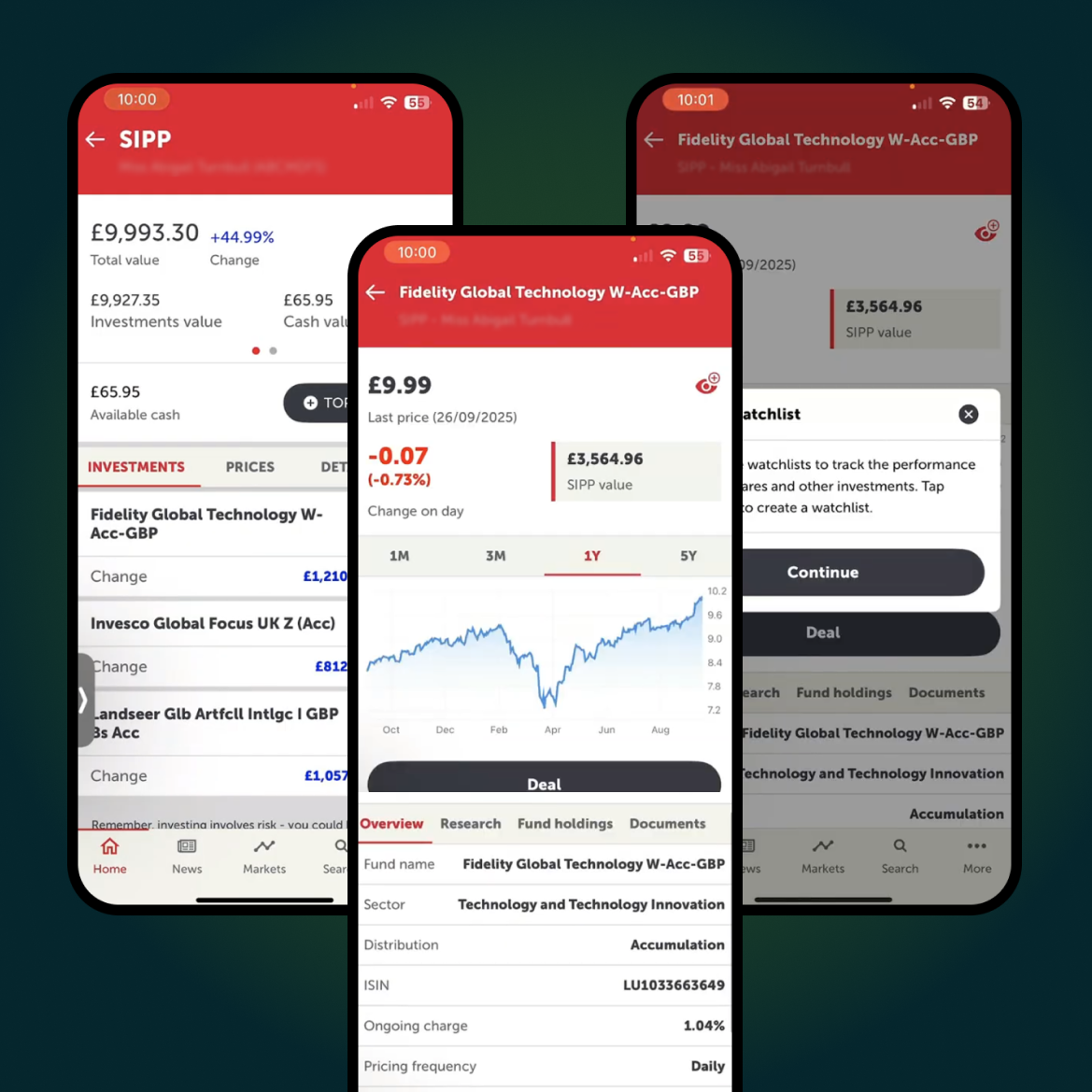
Take an investment app.
- A basic experience might simply make a market chart wider.
- An optimised experience could keep that chart visible while introducing research, trading controls or an AI assistant alongside it.
Same task. Less navigation. More context. A far better use of the extra space.
And the opportunity extends across finance, energy, retail and beyond.
We’ll be tracking this closely at BehindLogin
Product teams regularly come to us to understand what competitors are offering behind the login. I suspect many will now be watching which providers simply support foldables, and which are first to genuinely optimise for them.
Because this is about far more than bigger buttons or wider charts.
What will customers expect apps to do with that extra space?
Are foldables starting to influence your product roadmap, or are they still too niche to prioritise?