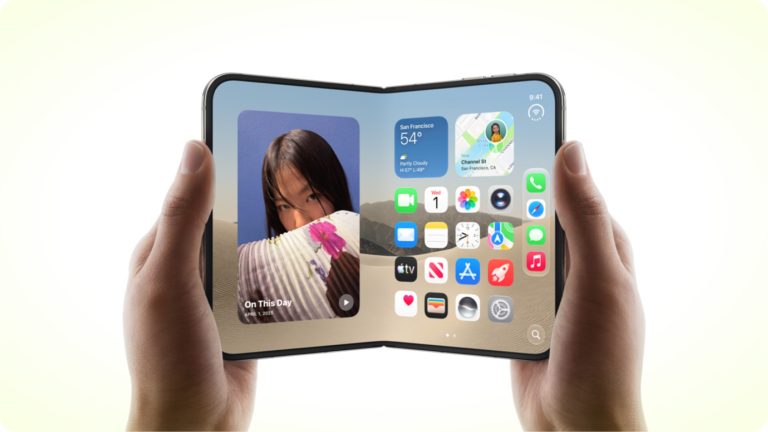
Apple’s new Bill Splitting feature is one of the more interesting product launches announced at this year’s Worldwide Developers Conference (WWDC).
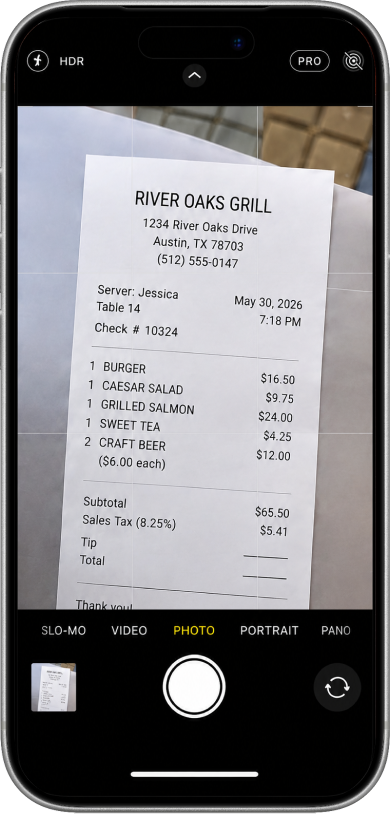
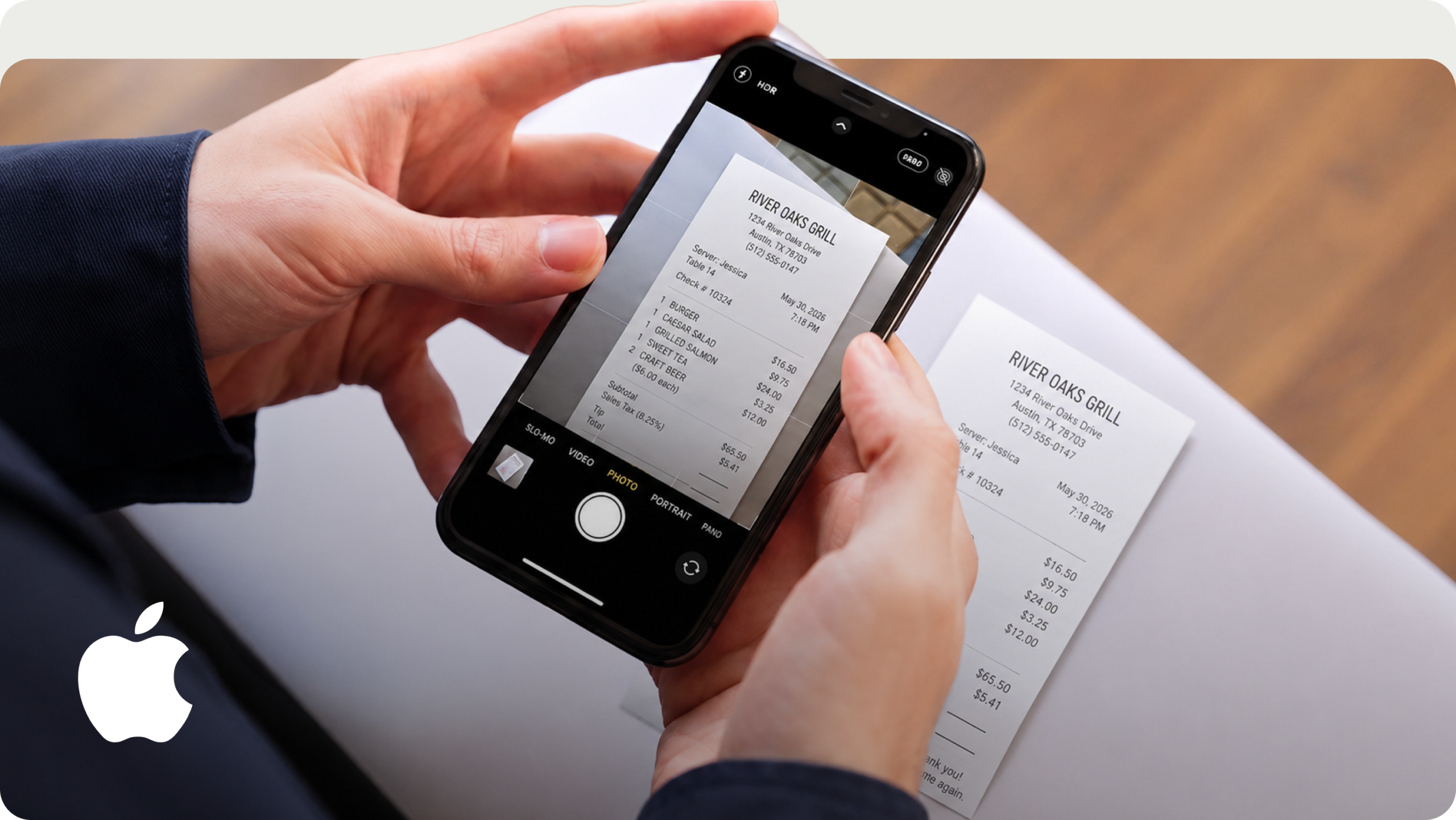
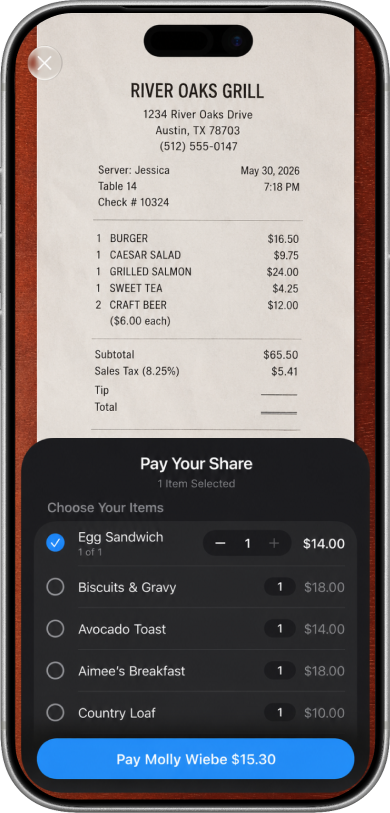
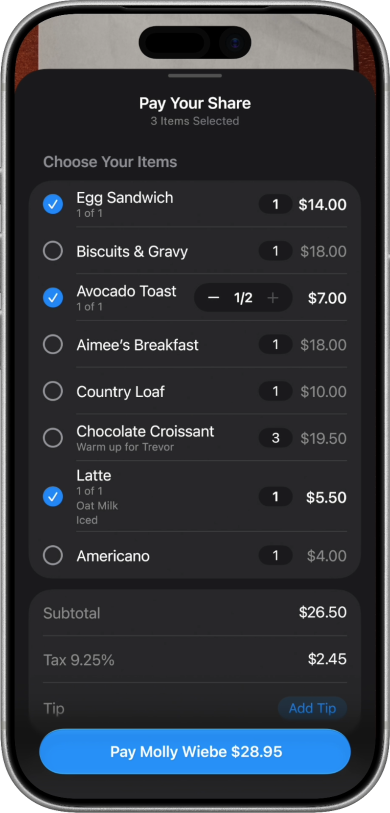
Using a receipt and an iPhone camera, users can automatically assign items to friends, calculate tax and tip, and generate payment requests through Apple Cash.
On the surface, it’s a simple bill-splitting feature.
In reality, it’s a mechanism for driving engagement, increasing payment frequency, and strengthening customer relationships.
Removing the manual work
For years, expense-sharing apps and peer-to-peer payment providers have focused on helping users settle debts after a shared purchase. Yet the biggest source of friction often comes earlier. Users need to enter expenses, calculate shares and work out who owes what before any payment can take place.
Apple removes much of that effort by turning the receipt itself into the starting point of the experience.
Instead of opening an app and creating an expense, users scan a receipt and assign items. The receipt becomes structured data and the reimbursement workflow follows automatically.
Reframing the problem
This reflects a broader pattern in product design.
Many teams focus on improving existing workflows. Apple often looks for opportunities to eliminate steps entirely. The company is less interested in helping users complete a task faster and more interested in reducing the number of actions required in the first place.
The Bill Splitting feature is a good example of this approach. Rather than creating a better bill-splitting interface, Apple reframes the problem around a real-world object that already contains the information needed to start the process.
The result feels intuitive because it aligns with how people already behave. The receipt is already on the table. The camera is already in the user’s hand.
Beyond bill splitting
For product teams, the feature highlights an increasingly important design principle. Valuable information often exists outside the product itself. Receipts, invoices, documents, emails and messages can all become interfaces when technology is able to extract and structure the information they contain.
Bill Splitting may be a relatively small feature within Apple’s broader ecosystem, but it offers a useful reminder that some of the most effective product innovations come not from adding new functionality, but from finding ways to remove effort altogether.