Reflections from David Henderson following the recent Amundi World Investment Forum
Recently I attended the Amundi World Investment Forum, where Greg B Davies, Head of Behavioural Finance at Oxford Risk, shared his thoughts on one of financial services’ longest-running challenges: how do we encourage more savers to become investors? The session was part of the Amundi Digital Club, held within the wider Forum.
There were plenty of interesting observations throughout, but one in particular stayed with me. Greg reflected that much of what behavioural finance has advocated for years, understanding different customer types and tailoring experiences accordingly, has historically struggled to scale. Without technology, and increasingly AI, much of that personalisation simply wasn’t commercially viable.
It was in the conversations afterwards that the discussion turned to a topic gathering real momentum across the pensions industry: the pensions dashboard. Specifically, why some providers are already exploring how to build their own experiences around it.
At first glance, that might seem unnecessary. If a government-backed dashboard lets people find and view their pensions in one place, why would providers invest time and money creating their own versions?
The answer, I think, comes down to the difference between discovery and understanding.
The government dashboard solves an important problem, and it’s a big one.
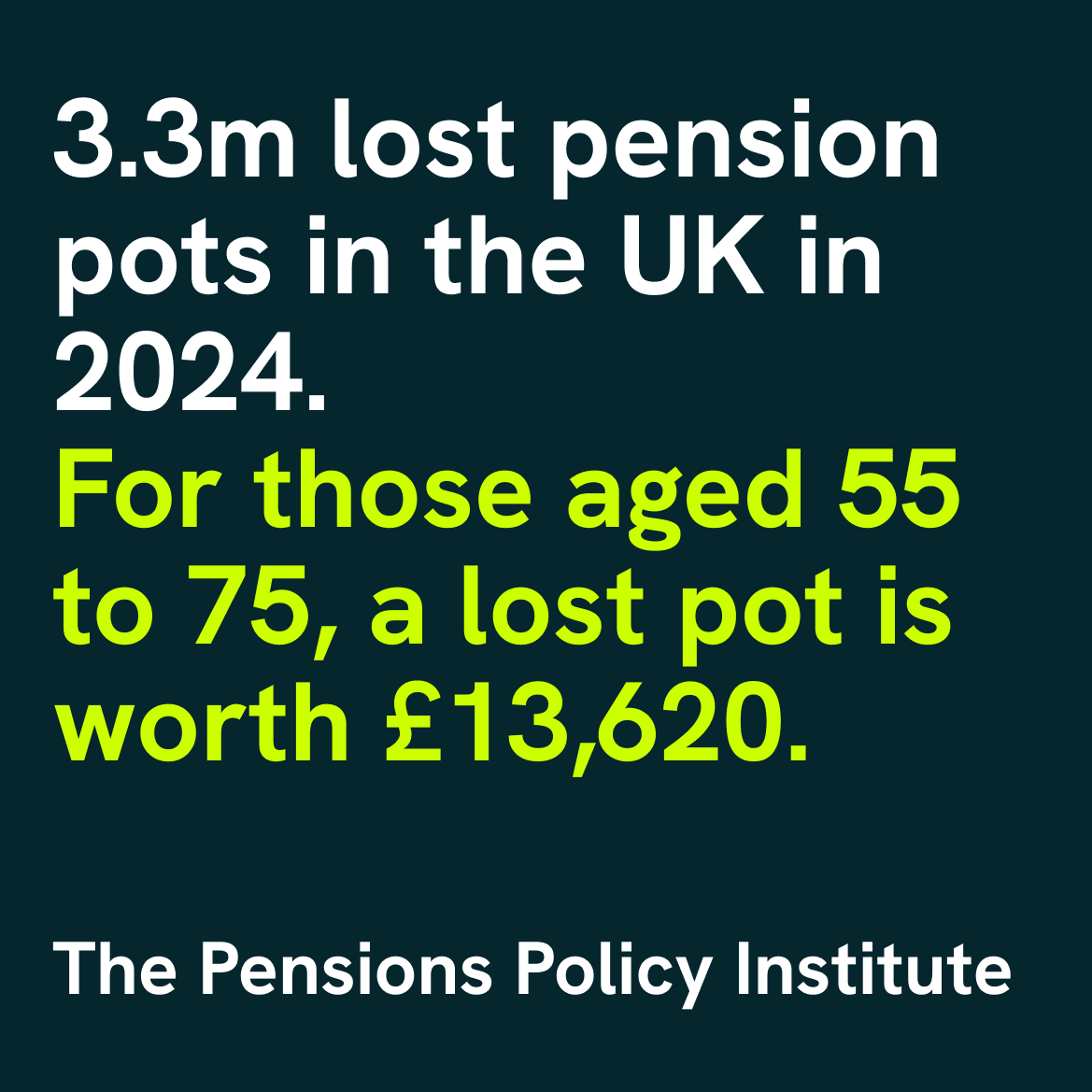
The Pensions Policy Institute estimated there were around 3.3 million lost pension pots in the UK in 2024, holding a combined £31.1 billion in savings that people have, in effect, become disconnected from. For those aged 55 to 75, the average lost pot was worth £13,620, not a rounding error, but a meaningful chunk of someone’s retirement.
With UK pension providers required to connect to the dashboard ecosystem by 31 October 2026, millions of people are about to find it far easier to see what they hold. Bringing all of that information together in one place is a genuine step forward.
But finding your pensions is only the beginning.
The moment someone discovers their pension value, a new set of questions emerges:
- Am I on track?
- Can I afford to retire when I want to?
- Should I be contributing more?
- Should I consolidate?
- What should I do next?
The dashboard can provide visibility. It cannot answer every question that follows.
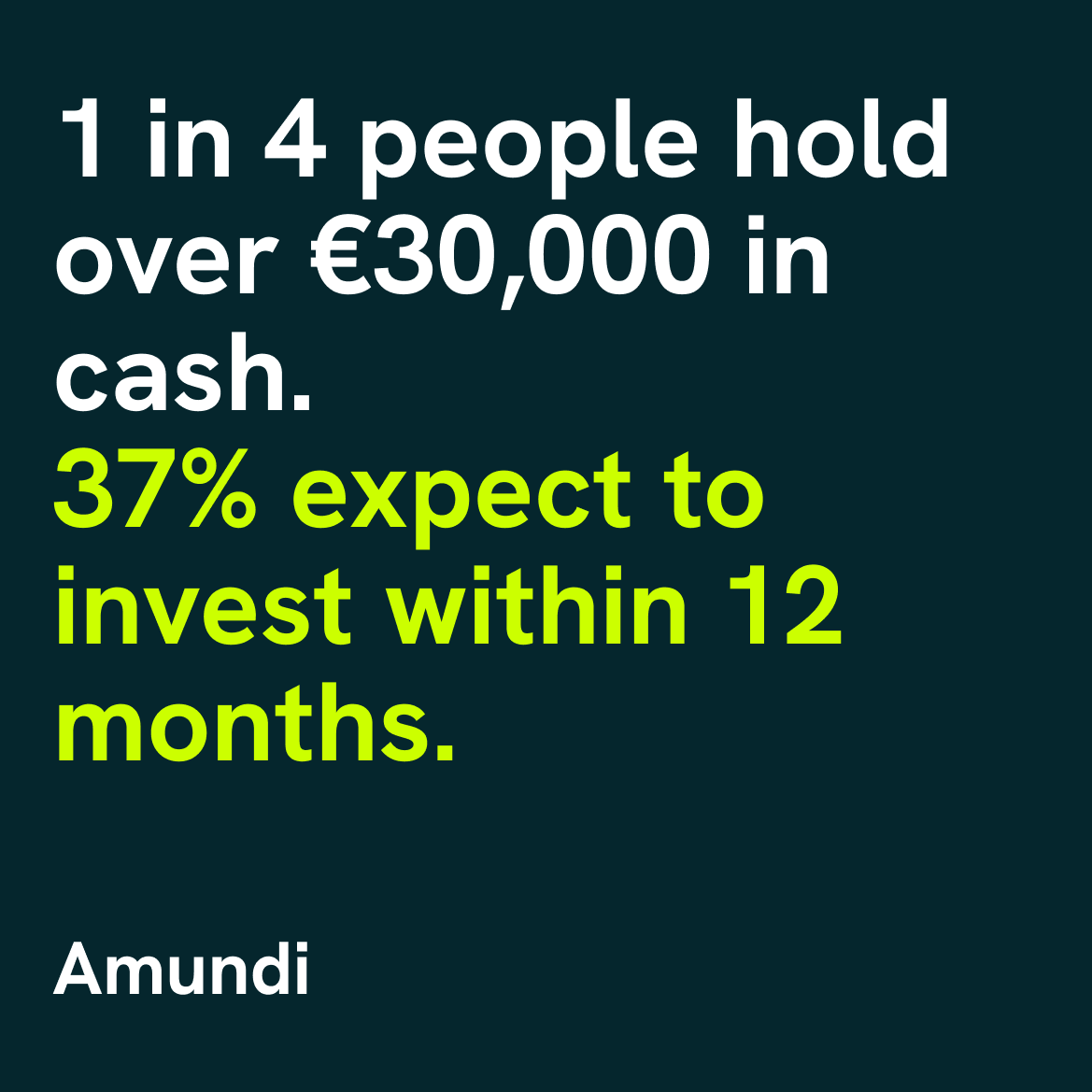
That challenge becomes even more interesting through a behavioural finance lens. Research shared at the event underlined that many people already have money available to invest: Amundi’s recent Decoding Investors study found a quarter of respondents hold more than €30,000 in cash, 22% are saving towards long-term goals such as retirement or a first home, and 37% expect to invest within the next twelve months. The intent is there. What’s often missing is the confidence and clarity to act on it.
Behavioural finance has long recognised that different people need different things. Some need reassurance, others motivation. Some want more detail, others want simplicity. Historically, delivering that level of personalisation has been difficult and expensive. Today, technology is making it increasingly achievable, which was rather Greg’s point.
That’s where I see the opportunity for providers.
A proprietary dashboard experience
The real value of a proprietary dashboard experience isn’t that it displays pension information differently. It’s that it helps customers understand what that information means for them.
The providers that stand out may not be those with the most sophisticated projections or the longest list of features. They may simply be the ones that do the best job of helping customers answer a few deceptively simple questions:
- Where am I today?
- How did I get here?
- Am I on track?
- What should I do next?
The team at BehindLogin often see organisations focus heavily on discovery and information provision. Both matter. But the strongest digital experiences tend to be the ones that move customers from information to understanding, and from understanding to action.
The pensions dashboard creates a new opportunity for exactly that.
The government dashboard will help people find their pensions. The real competition may begin once they do, because the challenge isn’t simply helping customers discover what they have. It’s helping them understand what to do next.